

Key points
- Pneumococcal disease is a serious bacterial infection caused by Streptococcus pneumoniae.
- Anyone can get pneumococcal disease, but certain people are at increased risk.
- Learn how keeping up to date with recommended vaccines is the best protection against pneumococcal disease.
What it is
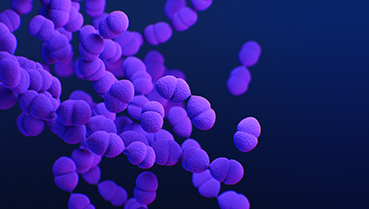
Pneumococcal disease is a name for any infection caused by bacteria called Streptococcus pneumoniae, or pneumococcus.
Types
S. pneumoniae bacteria can cause many types of infections, including:
- Pneumonia (lung infection)
- Meningitis (infection of the lining of the brain and spinal cord)
- Bacteremia (bloodstream infection)
- Otitis media (middle ear infection)
- Sinusitis (sinus infection)
Symptoms
-
Symptoms and complications depend on the part of the body that’s infected.
Risk factors
Anyone can get pneumococcal disease, but some people are at increased risk.
How it spreads
People spread pneumococcal bacteria to others through direct contact with respiratory secretions, like saliva or mucus.
Prevention
Testing and diagnosis
Treatment
Healthcare providers use antibiotics to treat pneumococcal disease. However, some pneumococcal bacteria have become resistant to certain antibiotics used to treat these infections. Antibiotic testing shows which antibiotics will be most successful at treating the infection.
For Public Health Antibiotic-resistant S. pneumoniae
Resources and tools
Pneumococcal-specific resources
Pneumococcal vaccines for children
Pneumococcal disease in adults and the vaccines to prevent it